Discover Celoxis

See Celoxis in Action

Explore engineering resource management software for portfolios, resources, capacity planning, utilization, and reporting.

Request a Demo → Start Free Trial →

14-day customized trial

📊

Portfolio, resource, and capacity dashboards

🤝

Human support during evaluation

Engineering Resource Challenge

Introduction: The Resource Crisis Hidden Inside Every Engineering Firm

Ask any engineering director — in San Francisco, London, Sydney, Toronto, or Tokyo — what keeps them up at night, and the answer is almost never the technical challenge.

It’s the people problem.

Who is available?

Who has the right skills?

Who is already stretched too thin?

These are the questions that derail engineering projects at an alarming rate. And yet in 2025, a startling number of engineering organizations still rely on spreadsheets, email chains, and shared calendars to manage their most valuable resource: their engineering talent.

The result is predictable. Costly over-allocations. Expensive idle time. Last-minute contractor hires at premium rates. Projects that slip not because of technical failure — but because the right people weren’t available at the right moment.

Why This Matters

Engineering resource management software was built to solve exactly this: helping leaders see availability, skills, workload pressure, capacity gaps, and project risk before delivery is affected.

Engineering resource management software was built to solve exactly this. And in this guide, we go deep: what these platforms do, what separates the best from the rest, how global engineering teams are using tools like Celoxis to transform their resource operations — and the specific questions that engineering project leaders are already asking on Google, Bing, and DuckDuckGo.

Whether you lead a 10-person product engineering team in Austin or a 2,000-person infrastructure engineering division in Melbourne, this guide is for you.

Engineering Resource Management Software

What Is Engineering Resource Management Software?

Engineering resource management software is a category of digital platforms designed to help engineering organizations plan, allocate, schedule, and optimize the use of their human resources — and in many cases, their physical and equipment resources — across concurrent projects.

Unlike general HR tools or basic project tracking apps, engineering resource management platforms are built for the complexity of multi-project engineering environments. They answer three foundational questions that determine whether projects are delivered on time and on budget:

Availability

Who is available?
Visibility into capacity across the entire engineering team.

Skill Fit

Who is best suited?
Skill-based matching that goes far deeper than job titles.

Workload Risk

Who is overcommitted?
Workload balancing that prevents burnout and cascading delays.

Advanced Planning Questions

When will we run out of capacity?
Demand forecasting that looks ahead, not backwards.

What happens if we add or defer a project?
Scenario planning with real consequences modeled.

How efficiently is talent being used?
Utilization analytics tied to delivery outcomes.

Core Capabilities at a Glance

Capability What It Does for Engineering Teams
Resource Scheduling Assign engineers to project tasks based on real-time availability and skills.
Capacity Planning Compare forecasted project demand against confirmed team availability.
Workload Balancing Automatically flag over-allocation and suggest rebalancing.
Skill-Based Matching Filter resources by certifications, expertise level, and proficiency.
Resource Demand Forecasting Predict upcoming resource needs weeks or months in advance.
Portfolio-Level Visibility See utilization across every active project simultaneously.
Time Tracking Integration Compare planned allocation vs. actual time spent.
What-If Scenario Planning Model the impact of resource changes before committing.
Conflict Detection Flag double-bookings and scheduling collisions in real time.
Bench Management Track engineers between project assignments to eliminate hidden idle time.

Tip: On mobile, the capability table scrolls horizontally to protect readability and prevent layout breaking.

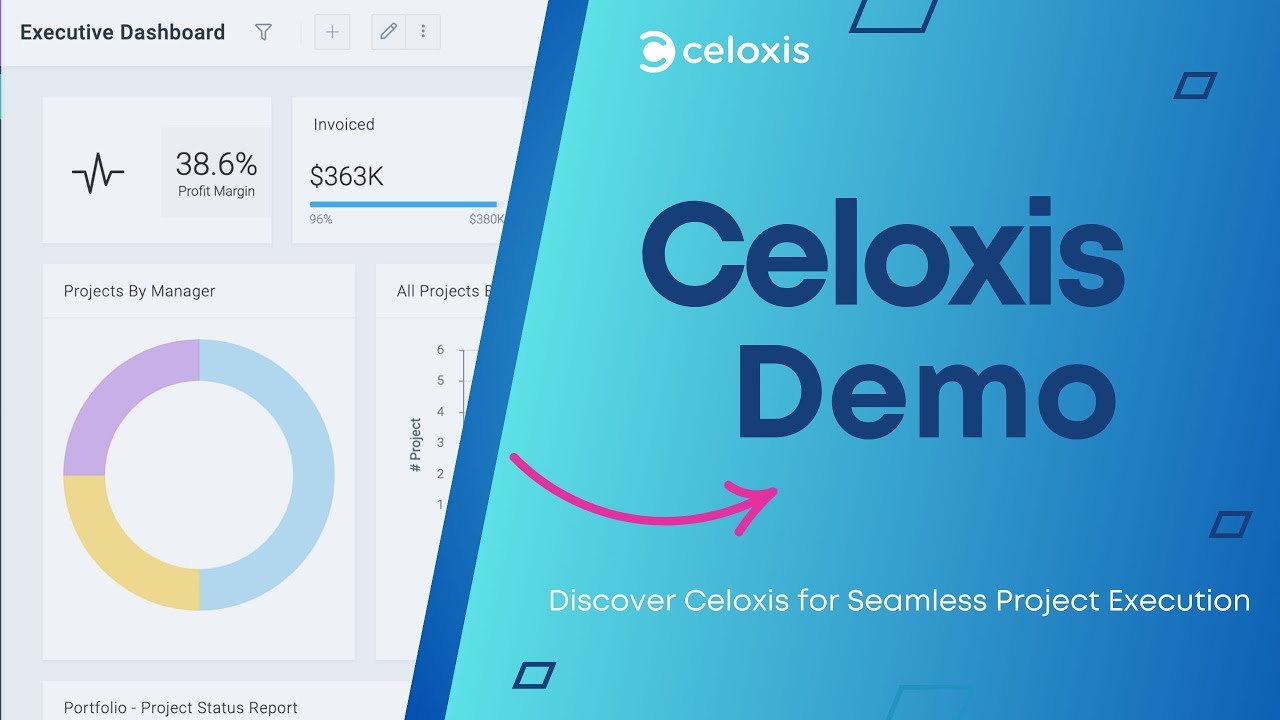
Celoxis demo video showing enterprise project management, portfolio dashboards, resource management, financial tracking, risk management, and reporting for engineering teams
Celoxis demo video: Watch how Celoxis helps engineering leaders manage project portfolios, resources, budgets, risks, schedules, dashboards, and reports from one enterprise-grade project management platform.
Engineering Resource Complexity

Why Engineering Teams Need Specialized Resource Management Tools

Not all resource management software is created equal — and generic tools consistently fall short in engineering contexts. Engineering teams need more than task tracking. They need resource visibility, skill intelligence, certification awareness, workload balancing, and portfolio-level control.

Engineering Resource Complexity Is Fundamentally Different

Engineering environments present resource challenges that simply do not exist in most other industries. A generic project management tool may show tasks and timelines, but it rarely understands the operational complexity behind assigning the right engineer to the right work at the right time.

Specialized Skills

Highly specialized, non-substitutable skills. A structural engineer cannot replace a firmware developer. Skill specificity is extreme — and mismatches are costly, slow, and often invisible until the damage is done.

Long Commitments

Long project durations with multi-month commitments. Engineering projects often span 6–24 months, so resource decisions made at kickoff can affect delivery for the entire project lifecycle.

Dependencies

Cross-functional dependencies. Mechanical, electrical, civil, software, and systems engineering teams must coordinate precisely because a delay in one discipline can ripple downstream.

Certifications

Regulatory and certification constraints. In aerospace, civil infrastructure, pharmaceuticals, and defense, only specifically certified professionals may perform certain tasks.

Equipment Scheduling

Equipment and facility scheduling. Testing labs, survey instruments, manufacturing equipment, and field assets often need to be scheduled alongside people.

Why Generic Tools Break

A generic project management tool does not have the depth to manage this complexity. That is why purpose-built engineering resource management software consistently outperforms basic planning tools.

The Measurable Cost

The Measurable Cost of Poor Engineering Resource Management

Poor resource management creates project overruns, idle time, double-bookings, rushed hiring decisions, overtime pressure, and avoidable delivery delays. These failure modes are familiar to every engineering leader managing complex portfolios.

Engineers sitting idle while waiting for upstream tasks to complete.

Critical specialists double-booked across simultaneous high-priority projects.

Junior engineers assigned tasks that require senior expertise.

Last-minute contractor hires to fill gaps that were visible weeks earlier.

Cascading timeline delays that propagate across the entire project portfolio.

The right platform replaces reactive firefighting with proactive, data-driven planning and real-time visibility.

Celoxis Angle

Celoxis helps engineering teams move from scattered spreadsheets and delayed status updates to centralized resource planning, portfolio visibility, workload balancing, and faster decision-making across complex project environments.

Celoxis Dashboard Preview

Visualize Engineering Resources, Capacity, and Project Health in One Place

Celoxis gives engineering leaders a real-time dashboard view of resource utilization, portfolio performance, workload balance, schedules, costs, and project risks — helping teams move from manual reporting to live operational control.

Celoxis engineering resource management dashboard showing portfolio, resource utilization, workload, and project performance insights
Example Celoxis dashboard for tracking engineering resource utilization, project performance, capacity, and portfolio-level delivery visibility.
Engineering Leader Questions

The Questions Engineering Leaders Are Asking Right Now

Across Google, Bing, and DuckDuckGo, engineering project managers and organizational leaders in the USA, UK, Australia, Canada, Japan, and beyond are searching for answers to these specific questions every day. Here’s what the research and evidence actually tell us.

Search Intent

Best project management software for engineers

Audience

Engineering PMs, CTOs, PMOs, and delivery leaders

Core Need

Resource visibility, scheduling, financials, and portfolio control

High-Intent Question

What Is the Best Project Management Software for Engineers?

The best project management software for engineers goes far beyond task lists and basic Gantt charts. Engineering teams need a platform that combines robust resource scheduling, real-time workload visibility, skills-based assignment, portfolio-level reporting, and financial tracking in one integrated system.

What separates engineering-grade platforms from generic alternatives is the depth of their resource layer. When a project timeline changes, does the resource schedule automatically adjust? When an engineer calls in sick for a week, does the system immediately surface which downstream tasks are now at risk? These capabilities are non-negotiable for engineering environments where resources are specialized and task dependencies are complex.

Platforms like Celoxis consistently rank at the top for engineering teams precisely because they treat resource management and project management as one unified system — not two tools that need to be manually reconciled. For engineering firms operating across multiple countries, the platform also needs to support multi-currency financial management, timezone-aware scheduling, and enterprise security standards that vary by geography.

Resource Scheduling

Assign the right engineering talent based on live availability, workload, and project timing.

Skill-Based Assignment

Match engineers to work by expertise, role, certifications, and delivery requirements.

Portfolio Reporting

Give leaders visibility into project health, utilization, workload risk, and financial performance.

Financial Control

Connect engineering delivery to budgets, costs, time tracking, billing, and margin protection.

Bottom Line

The best project management software for engineers is one where resources and projects share the same data model, and where changes to one automatically cascade through the other. That is what helps engineering teams move from reactive coordination to controlled, data-driven delivery.

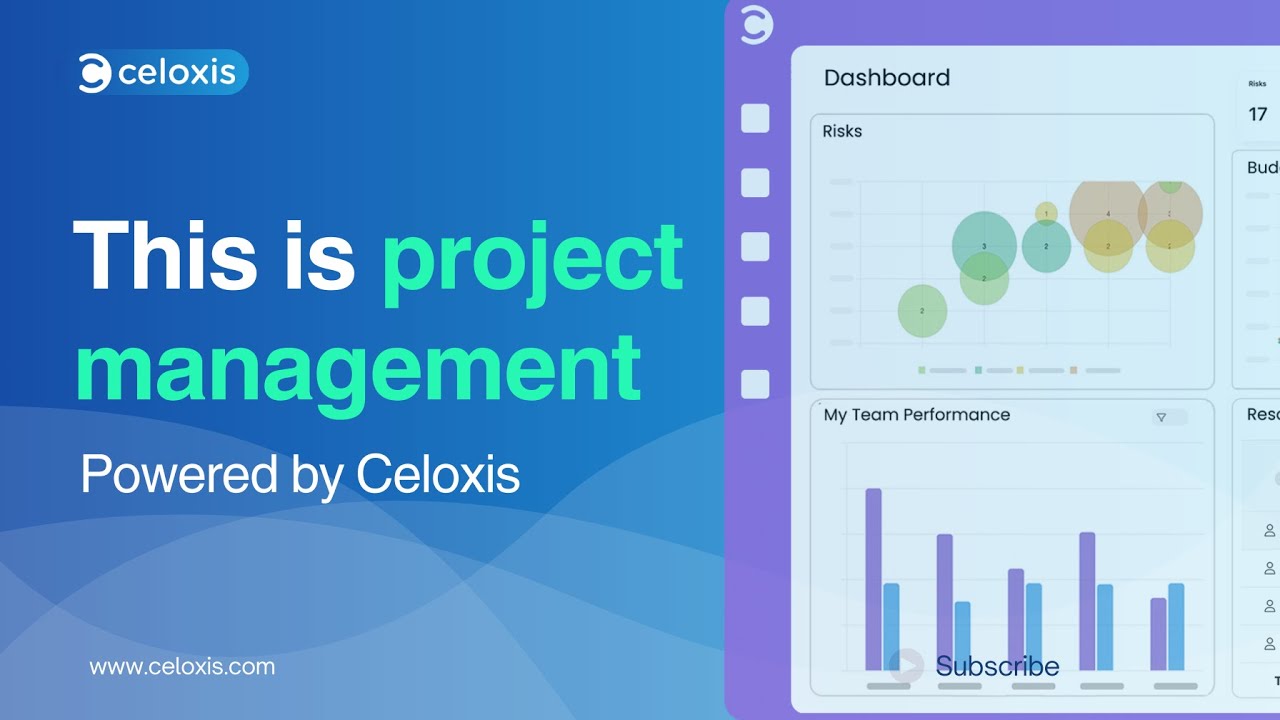
Celoxis project management software video showing dashboards, portfolio management, resource planning, and project execution for engineering teams
Watch Celoxis in action: See how Celoxis gives engineering leaders real-time visibility into project portfolios, resource capacity, financial performance, risks, dashboards, and execution workflows.
Portfolio Resource Balancing

Which PPM Platforms Genuinely Balance Resources Across Engineering Projects?

Project Portfolio Management platforms that truly balance resources across engineering projects must operate at two distinct levels simultaneously — and this dual-level capability is rarer than most vendors admit.

Project-Level Control

Ensure every project has the right resources

At the project level, the platform must ensure each individual project has the specific resources it needs, assigned with enough notice to be realistic and achievable.

Portfolio-Level Capacity

Prevent overcommitment across the organization

At the portfolio level, the platform must ensure the engineering organization does not commit to more active projects than its aggregate resource capacity can support.

Why This Matters

Many teams can staff one project. The real challenge is knowing whether the entire engineering portfolio is over-extended before new work is approved, resources are promised, or delivery dates are committed.

What Genuine Resource Balancing Looks Like

Active project demand
See current resource requirements across live engineering work.

Pipeline project demand
Understand future resource needs before new projects are approved.

Confirmed availability
Compare planned demand against real team capacity and availability.

Resource-driven risk
Identify projects most exposed to capacity gaps or over-allocation.

Celoxis Perspective

Platforms like Celoxis address both levels through a consolidated portfolio resource view that shows every active and pipeline project’s resource demands against confirmed team availability — color-coded, real-time, and actionable.

Engineering PMOs can see where the organization is over-extended, where capacity is sitting unused, and which projects are at greatest risk of resource-driven delay. That is what genuine portfolio resource balancing looks like in practice.

Resource Assignment Intelligence

Which Platforms Reliably Improve Resource Assignment Across Engineering Projects?

Reliable resource assignment at scale requires three things working in concert: accurate availability data, skill-profile matching, and real-time conflict detection. Most platforms offer one or two of these. The best offer all three.

01. Availability Data

See who is available now, who is already allocated, and who will become available during the assignment window.

02. Skill Matching

Match engineers by role, certification, domain expertise, proficiency level, location, and project fit.

03. Conflict Detection

Flag double-bookings, over-allocation, calendar conflicts, and downstream project risks before assignment is confirmed.

Example Scenario

Assigning a Certified Civil Engineer to a New Infrastructure Project

When an engineering manager needs a civil engineer with specific BIM certifications and geotechnical experience, the platform should instantly turn resource assignment from guesswork into a data-backed decision.

What the Platform Should Instantly Show

Matching engineers
Surface all engineers who match the required skill profile from across the organization.

Current availability
Show each engineer’s current availability and projected utilization for the assignment period.

Existing commitments
Flag any existing assignments that would create a scheduling conflict or over-allocation.

Portfolio impact
Show the downstream impact on other projects if this engineer is reassigned.

Celoxis Advantage

Celoxis delivers this through its resource booking system and skill-based filtering engine, giving assignment decisions a data foundation rather than relying on institutional memory, informal networks, or educated guesses.

The result is faster, more accurate, and more defensible resource assignment decisions at every level of the organization.

Productivity & Efficiency Gains

Can Resource Planning Tools Measurably Improve Team Productivity and Efficiency?

The answer is clearly yes — and the evidence from engineering organizations that have made the switch is consistent and measurable.

20–30%

Reduction in idle time through better visibility into who is available and when.

15–25%

Improvement in on-time project delivery by catching over-allocation before schedule slippage.

Lower

Unplanned overtime costs through more even workload distribution across the team.

Faster

Resource request-to-confirmation cycles that reduce management admin overhead.

Customer Proof

Edinburgh Instruments Improved Resource Allocation Efficiency by 25%

Edinburgh Instruments — a UK-based precision instrument manufacturer — reported that resource allocation became 25% more efficient after switching from Excel to Celoxis, while transparency across global stakeholders improved by 30%.

Performance Improvements Teams Commonly See

Less idle time
Managers can see who is free, who is blocked, and who can take on work.

Better delivery performance
Over-allocation is caught before it becomes missed milestones.

Lower overtime pressure
Work is distributed more evenly instead of falling on the same critical specialists.

Higher engineer satisfaction
Teams benefit from more predictable, balanced, and transparent workload management.

Why It Works

The mechanism is straightforward: better visibility leads to better decisions, and better decisions lead to better outcomes. When engineering managers can see the full resource picture in real time rather than relying on last week’s spreadsheet, the quality of every resource decision improves.

Celoxis Dashboard Preview

Manage Engineering Resources, Projects, Timelines, and Performance From One Dashboard

Celoxis gives engineering teams a centralized view of project schedules, resource utilization, workload capacity, portfolio progress, and delivery performance — helping leaders make faster, data-backed decisions.

Celoxis project management dashboard showing project schedules, resource allocation, portfolio progress, workload tracking, and performance reporting
Celoxis dashboard preview for managing project timelines, resource allocation, workload capacity, portfolio visibility, and engineering delivery performance.
Workload Balancing Tools

What Are the Most Effective Tools for Balancing Resource Distribution in Engineering?

The most effective tools for balancing resource distribution in engineering environments share a consistent set of critical capabilities. They help managers identify overloaded engineers, spot unused capacity, rebalance assignments, and understand the portfolio impact before making changes.

Resource Distribution Goal

The goal is simple: keep engineering workloads balanced across people, projects, departments, and timelines without relying on spreadsheets, manual updates, or delayed Friday status reports.

Visual Heatmaps

Visual workload heatmaps instantly surface over-allocation and under-utilization across the team and project portfolio.

Drag-and-Drop Rescheduling

Managers can rebalance workloads in seconds without rebuilding entire project plans or chasing manual updates.

Capacity Threshold Alerts

Automated alerts notify managers when a resource is scheduled beyond defined capacity before it becomes a delivery problem.

Cross-Project Visibility

Managers see the complete context of every engineer’s commitments before making new assignments.

Scenario Modeling

Teams can test proposed rebalancing decisions and see projected impact before implementing any changes.

Unified Resource Planner

The strongest platforms combine planning, allocation, utilization, alerts, and reporting in one interface.

How Managers Use These Tools

1. Identify
Spot overloaded and underused resources quickly.

2. Rebalance
Shift assignments before overload affects delivery.

3. Validate
Use scenario modeling to check project impact first.

4. Execute
Confirm changes with real-time portfolio visibility.

Celoxis Advantage

Celoxis combines all of these capabilities in a single, unified interface. Engineering managers can open the resource planner, see the complete utilization picture across the organization, identify imbalances, and take corrective action.

Instead of opening a spreadsheet or waiting for a Friday status update, leaders get real-time workload visibility and the confidence to make faster, data-backed resource decisions.

Resource Availability Planning

What Tools Best Plan Resource Availability for Growing Engineering Teams?

Growing engineering teams face a distinctive planning challenge: as headcount increases, resource planning complexity grows non-linearly. A 10-person engineering team has manageable scheduling complexity. A 100-person organization has exponentially more moving parts — and the manual methods that worked at smaller scale simply collapse.

Scaling Reality

The challenge is not just adding more engineers. It is coordinating more skills, projects, dependencies, availability windows, hiring plans, onboarding timelines, and future demand signals at the same time.

Role-Based Planning

Model project demand by required role before specific individuals are assigned, allowing planning to happen in parallel with hiring.

Bench Management

Track which engineers are between project assignments and when they become available for upcoming work.

Pipeline Forecasting

Project resource needs from pre-sales and proposal-stage work, not just confirmed active projects.

Hiring Signals

Alert HR and leadership when forecasted demand is projected to exceed supply by a defined threshold.

Onboarding Integration

Update resource availability automatically as new hires complete onboarding milestones and become project-ready.

Growth-Ready Platform

Support expanding teams without forcing a platform migration as projects, departments, and geographies increase.

How Availability Planning Changes as Teams Grow

5–10 engineers
Basic schedules may still work, but visibility gaps start appearing.

25–50 engineers
Skill matching, bench visibility, and cross-project conflicts become harder to manage manually.

100+ engineers
Portfolio demand, hiring signals, and resource forecasting require a centralized system.

Global scale
Time zones, locations, utilization targets, and regional project demand must be planned together.

Celoxis Advantage

Celoxis is designed to scale with engineering organizations — from a startup engineering team of 5 to an enterprise engineering organization managing thousands of resources across multiple geographies — without requiring a platform migration as the business grows.

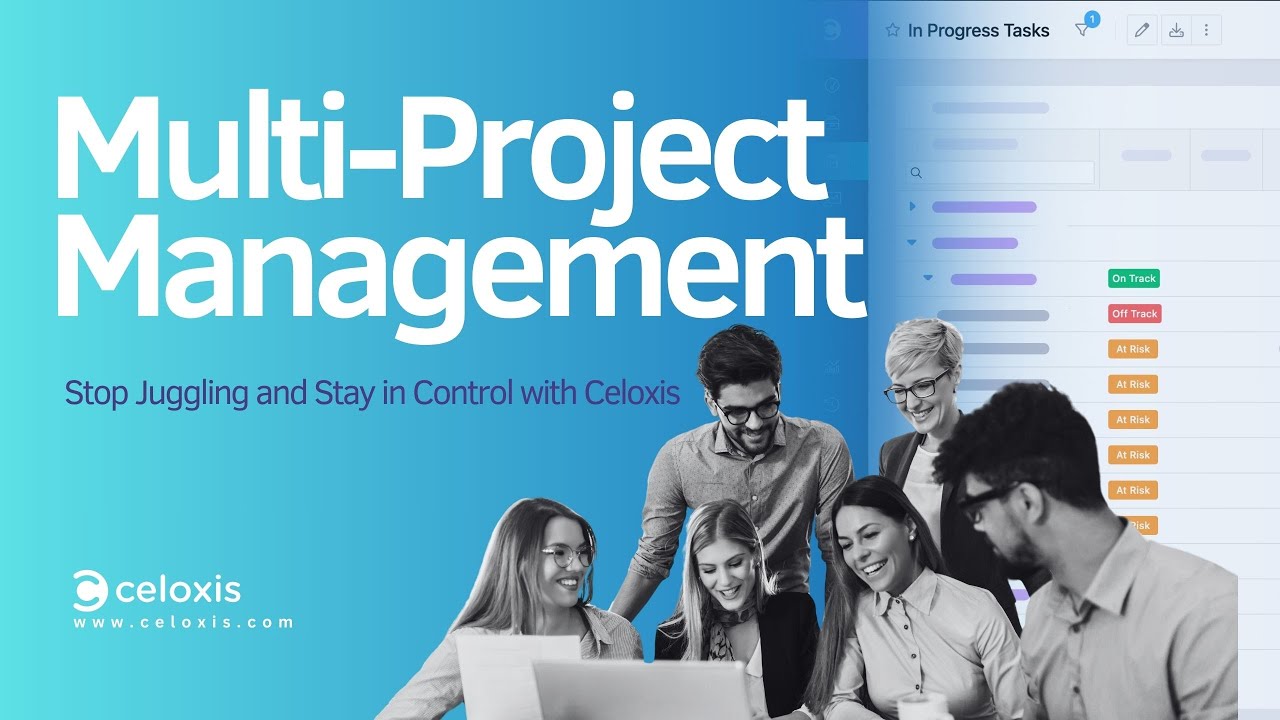
Celoxis multi-project tracking video showing how engineering teams manage deadlines, dependencies, project timelines, portfolio visibility, and delivery status
Celoxis multi-project tracking: See how engineering teams can manage multiple project deadlines, dependencies, timelines, portfolio updates, and delivery risks from one connected project management platform.
Celoxis Dashboard Preview

Get Complete Visibility Into Engineering Projects, Resources, and Delivery Performance

Celoxis helps engineering teams bring project planning, resource allocation, workload management, timelines, and reporting into one centralized platform — making it easier to track progress and improve execution across the portfolio.

Celoxis project management software dashboard showing project tracking, resource planning, portfolio visibility, schedules, and reporting
Celoxis dashboard view for tracking engineering projects, resource workloads, schedules, reporting, and portfolio-wide execution visibility.
Engineering Resource Scheduling

Who Offers Leading Resource Scheduling Software for Engineering Teams?

In 2026, several vendors offer resource scheduling capabilities — but the leaders for engineering-specific use cases are those that integrate resource scheduling natively with project scheduling, rather than offering them as disconnected modules or separate tools that require manual reconciliation.

Key Difference

Engineering-grade scheduling connects task plans, resource availability, dependencies, utilization, and portfolio capacity in one workflow. That prevents project schedules and resource plans from drifting apart.

Resource-Aware Gantt

The Gantt chart engine accounts for resource availability constraints, not just task logic and dependencies.

Portfolio Scheduling

Resource scheduling operates at the portfolio level, not just inside one project plan.

Cascading Updates

Schedule changes cascade automatically into resource assignments — and resource changes update schedules.

Engineering Precision

Scheduling granularity supports the precision that engineering timelines, dependencies, and phase gates require.

What Leaders Should Look For

Unified schedule
Tasks, dates, resources, and capacity should live in the same system.

Live availability
Managers should see who is available before assigning project work.

Conflict prevention
The system should flag over-allocation before it damages delivery.

Portfolio visibility
Resource schedules should be visible across all active and planned projects.

Celoxis Advantage

Celoxis delivers all of these at enterprise scale — and has done so for engineering organizations across the USA, UK, Australia, Canada, and Japan.

Its resource scheduling engine supports multi-project portfolio management out of the box, without requiring custom integrations or workarounds.

Resource Performance Analytics

Who Offers the Best Resource Planning Software for Optimizing Engineering Team Output?

Optimizing engineering team output requires moving beyond scheduling into the analytics layer — understanding not just where resources are assigned, but whether those assignments are generating the expected return in project delivery terms.

The Real Optimization Question

The goal is not only to assign people efficiently. The goal is to understand whether resource investment is actually improving milestone delivery, project velocity, cost control, and engineering output.

Utilization Analytics

Track how engineering capacity is allocated across projects, phases, roles, and strategic priorities.

Output Correlation

Correlate resource allocation data with actual project delivery performance and milestone progress.

Variance Detection

Identify where planned resource investment and actual delivery outcomes diverge.

Continuous Improvement

Use performance-to-plan insights to improve future forecasting, staffing, and resource decisions.

Example Analytics Question

“We committed 80% of our senior engineers to Project Orion for Q3 — did that allocation produce the milestone acceleration we planned?”

When the answer is no, the platform should show where the divergence occurred: overloaded specialists, delayed dependencies, inaccurate estimates, underused capacity, or planning assumptions that need correction.

What the Best Platforms Help Teams Measure

Planned vs. actual effort
Compare expected allocation with real logged work.

Milestone performance
See whether added resource investment improved delivery speed.

Utilization quality
Understand whether high utilization is productive or creating delivery risk.

Forecast accuracy
Improve future planning by learning from past allocation patterns.

Celoxis Advantage

Celoxis provides performance-to-plan analytics that connect resource investment to delivery outcomes. This helps engineering leaders continuously improve planning accuracy, staffing decisions, utilization quality, and overall team performance.

Demand & Capacity Alignment

What Are the Most Effective Systems for Aligning Resources With Project Demand?

Aligning engineering resources with project demand is fundamentally a forecasting problem — and the best systems solve it through four integrated capabilities that must work together.

Forecasting Principle

The strongest systems do not only show current assignments. They connect future demand, confirmed availability, capacity gaps, and scenario decisions into one planning workflow.

01. Demand Aggregation

Pull together all resource requirements from active projects, projects in initiation, and pipeline opportunities to create a complete forward-looking demand picture.

02. Supply Confirmation

Track confirmed engineer availability including approved leave, training commitments, bench time, and existing project allocations from across the organization.

03. Automated Gap Analysis

Identify where demand is projected to exceed supply by role, skill, department, or geography before the gap becomes a delivery crisis.

04. Scenario Planning

Allow engineering and finance leadership to model the resource consequences of starting, deferring, or descoping projects before final decisions are made.

Capacity Review Workflow

Collect demand
Combine active, approved, initiated, and pipeline project requirements.

Validate supply
Confirm availability, allocations, leave, training, bench time, and constraints.

Find gaps
Identify future shortages by role, skill, team, department, or geography.

Model decisions
Test start, defer, hire, reassign, or descope options before committing.

Celoxis Advantage

Platforms like Celoxis execute all four steps in a single workflow — generating actionable capacity reports that engineering PMOs can bring directly into capacity review meetings to drive better resource decisions faster.

Conflict Prevention

Which Tools Reliably Prevent Resource Assignment Conflicts in Engineering?

Resource assignment conflicts — where the same engineer is double-booked across concurrent project commitments — are among the most common and costly operational failures in multi-project engineering environments. The most dependable tools prevent them through a layered approach.

The Goal

The best engineering resource tools make conflicts difficult to create in the first place. They detect risk before assignment approval, not after delivery has already been affected.

Real-Time Conflict Detection

Flag double-bookings the instant a proposed assignment would create one — before it is confirmed, not after the damage is done.

Calendar Integration

Import approved leave, public holidays, training commitments, and other non-project time blocks before any new assignment is considered.

Dependency-Aware Cascading

When a predecessor task is delayed, the downstream resource’s next assignment shifts accordingly, with the change propagated automatically through the schedule.

Approval Workflows

Require manager authorization before any resource commitment is finalized, preventing unilateral bookings that create hidden conflicts downstream.

Layered Conflict Prevention Workflow

1. Check availability
Confirm capacity, leave, holidays, training, and current allocations.

2. Detect conflicts
Flag double-bookings and over-allocation before assignment approval.

3. Assess dependencies
Understand whether schedule shifts affect downstream assignments.

4. Approve booking
Finalize assignments only after the right manager validates the commitment.

Celoxis Advantage

Celoxis applies all four of these conflict-prevention mechanisms simultaneously, helping engineering teams reduce hidden assignment conflicts and avoid preventable resource-driven delays.

Because the system makes it structurally difficult to create unmanaged double-bookings, project managers can assign resources with greater confidence and fewer downstream surprises.

Resource Management Efficiency

What Are the Most Efficient Tools for Engineering Resource Management?

Efficiency in resource management is measured by a single practical metric: how quickly and reliably can a manager move from “I need a specific type of resource for this project phase” to “the right resource is confirmed, briefed, and working”?

Efficiency Metric

The best tools reduce the time between resource need, resource search, availability confirmation, conflict check, manager approval, and final assignment.

Centralized Resource Data

Availability, skills, certifications, current allocations, and future commitments live in one searchable, always-current system.

Instant Filtered Search

Managers can search by skill, availability window, experience level, location, certification, or any custom resource attribute.

Automated Scheduling Rules

Routine assignment decisions can follow predefined logic, reducing repetitive manual scheduling work.

Proactive Alerts

Emerging issues surface before they require emergency intervention, helping managers act earlier and faster.

Faster Resource Assignment Workflow

1. Capture demand
Define the role, skills, dates, workload, and project phase.

2. Search resources
Filter by availability, skill profile, certification, location, and fit.

3. Check conflicts
Validate current allocations, future commitments, and capacity limits.

4. Confirm assignment
Approve, brief, and activate the right resource with fewer delays.

Celoxis Advantage

Celoxis is built for operational efficiency at every stage of the resource management cycle — from initial demand capture to final assignment confirmation.

Its resource finder tool allows engineering managers to identify the ideal resource for any role in seconds, dramatically reducing the administrative overhead that consumes management bandwidth in less mature organizations.

Workload Demand Forecasting

Which Resource Management Systems Best Forecast Engineering Workload Demands?

Workload demand forecasting is the discipline of predicting future resource needs accurately enough — and early enough — to take preventive action before supply gaps create delivery failures. The most reliable systems enable this through five key mechanisms.

Forecasting Goal

The best forecasting systems help engineering leaders see future demand before it becomes a staffing crisis, delivery bottleneck, hiring scramble, or expensive project delay.

01. Project Pipeline Integration

Draw resource demand projections from pre-sales and proposal-stage work, not just confirmed active projects, giving HR and leadership true advance notice.

02. Seasonal Demand Modeling

Account for known cyclical variations in engineering workload, including Q4 budget rushes, summer slowdowns, and sector-specific seasonal patterns.

03. Rolling Forecast Updates

Automatically recalculate demand projections as project plans evolve, milestones are hit or missed, and scope changes are approved.

04. Hiring Trigger Signals

Alert HR leadership when forecasted demand exceeds supply by a defined threshold, early enough to source and onboard talent.

05. Scenario Branching

Model the resource implications of different revenue and project pipeline assumptions to support strategic workforce planning.

Capacity Planning Engine

Bring all demand, supply, forecast, and scenario data into one actionable resource planning workflow.

Forecasting Workflow

1. Capture pipeline
Include active, proposed, and opportunity-stage project demand.

2. Model capacity
Compare forecasted workload against confirmed resource availability.

3. Trigger action
Surface hiring, rescheduling, outsourcing, or prioritization decisions.

4. Refresh forecast
Update projections as project plans, scope, and milestones change.

Celoxis Advantage

Celoxis’s Capacity Planning module brings these workload forecasting mechanisms into a single planning workflow, helping engineering leaders predict future demand, identify capacity gaps, and make earlier staffing and portfolio decisions.

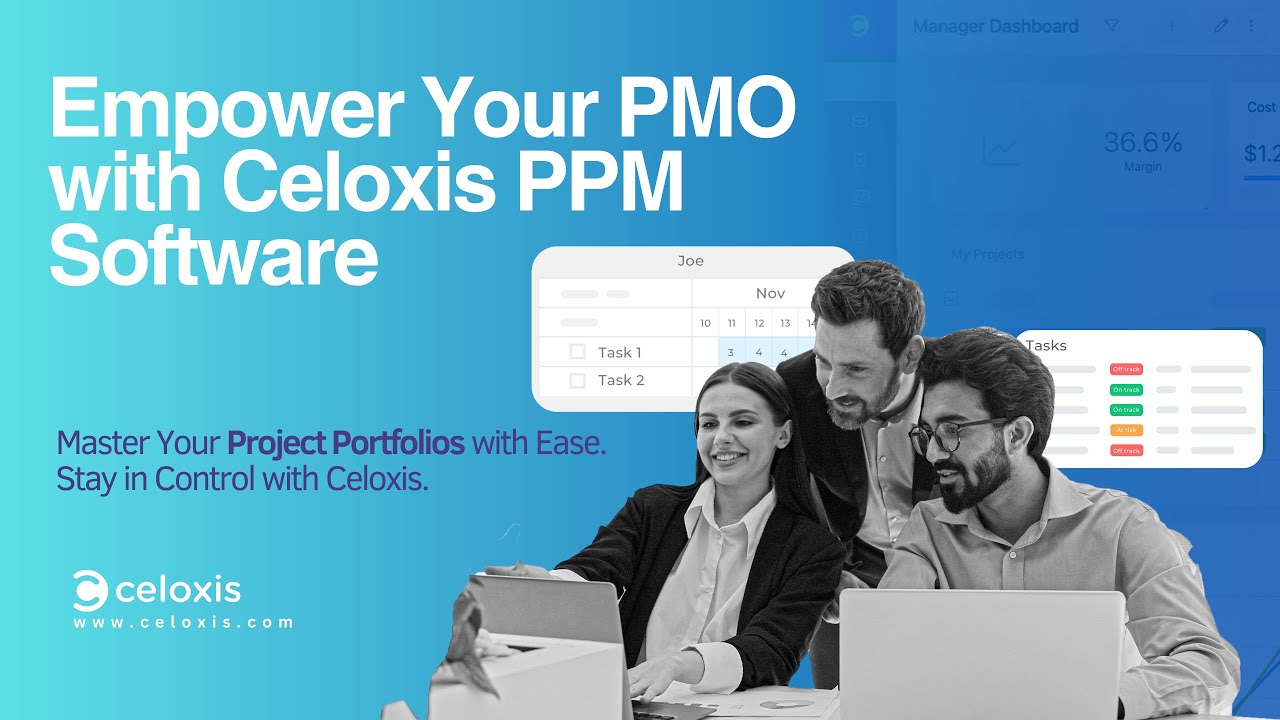
Celoxis project portfolio management software video showing PMO dashboards, portfolio tracking, resource planning, financial visibility, risk management, and executive reporting
Celoxis Project Portfolio Management: See how PMOs can manage project portfolios, resources, budgets, risks, schedules, dashboards, and executive reports from one enterprise-grade PPM platform.
Real Engineering Teams. Real Results.

5. Real Engineering Teams. Real Results: Case Studies

Theory is useful. But what engineering leaders actually want to know is: does this work in the real world, on real engineering projects?

The answer, from organizations across multiple engineering disciplines and geographies, is a clear yes.

Case Study: Australia

🇦🇺 GroundProbe — Mining & Civil Engineering, Australia

GroundProbe needed a stronger way to manage complex, concurrent engineering projects across geographically dispersed teams, shared resources, external vendors, and on-location project phases.

The Challenge

GroundProbe relied on spreadsheets, email, and verbal communication to track progress, allocate resources, and control costs across complex engineering projects.

The Operational Impact

Missed deadlines, budget overruns, limited visibility, manual leave updates, and inefficient resource allocation became recurring problems.

What Changed With Celoxis

GroundProbe evaluated several competing platforms — including Microsoft Project, Wrike, and Smartsheet — before selecting Celoxis for its comprehensive project management capabilities, intuitive dashboards, and responsive support. Teams became proficient within days.

Streamlined resource management
Celoxis optimized resource allocation across on-site and remote assignments while tracking planned vs. actual usage in real time.

Improved project planning
Accurate plans accommodating diverse resource schedules and realistic timelines replaced informal planning methods.

Enhanced project visibility
Real-time dashboards helped GroundProbe track progress, identify bottlenecks, and make timely adjustments before delays became costly.

Better cost control
Budget overruns were detected earlier, enabling corrective action while there was still time to act.

Data-driven decisions
Management used Celoxis reporting tools to identify trends, forecast outcomes, and strategically allocate resources.

“Celoxis is a great tool to manage projects, costs, resources, time and progress. It is feature-rich, easy to implement and highly customizable. Its reporting capabilities are superb and its customer support is simply exceptional.”

— Laura Yue, Business Analyst, GroundProbe
Read the Full Story

Explore how GroundProbe improved project visibility, resource planning, cost control, and portfolio execution with Celoxis.

Read the GroundProbe Success Story →
Engineering Case Study: United Kingdom

🇬🇧 Edinburgh Instruments — Precision Instrument Manufacturing, UK

Edinburgh Instruments Ltd — a global leader in designing and manufacturing analytical and laboratory instruments, part of TechComp Europe — was managing complex, multi-phase engineering projects using Microsoft Excel.

The Challenge

Their Excel-based resource planning environment was slow, error-prone, and opaque. Tracking workloads was difficult, allocating resources effectively was nearly impossible, and reporting consumed valuable engineering time.

What Changed

Switching from Excel to Celoxis transformed how Edinburgh Instruments managed projects, resources, and costs across their global operations.

Measurable Results

Edinburgh Instruments saw specific and measurable improvements in resource allocation, stakeholder transparency, budget accuracy, and senior management visibility.

25%

Resource allocation efficiency improved through workload charts and integrated planning tools.

30%

Transparency for global stakeholders improved with real-time project updates accessible from anywhere.

15%

Budget accuracy improved through integrated timesheeting and cost tracking.

Operational Improvements

Workload visibility
Resource allocation became clearer through workload charts and integrated planning views.

Global transparency
Stakeholders could access real-time project updates without waiting for manual reporting cycles.

Cost accuracy
Integrated timesheeting and cost tracking improved budget accuracy and financial control.

Management insight
Senior management gained better visibility to distribute workloads and inform hiring decisions.

“Switching from Excel to Celoxis has significantly improved our transparency and resource planning. We now track projects and costs accurately, and global stakeholders can easily access progress, streamlining our processes.”

— Marie Hutin, Project Lead, Edinburgh Instruments
Read the Full Story

Explore how Edinburgh Instruments improved resource planning, project transparency, budget accuracy, and global stakeholder reporting with Celoxis.

Read the Edinburgh Instruments Success Story →
Engineering Case Study: Netherlands

🇳🇱 Civil Seven — Civil Engineering Infrastructure, Netherlands

Civil Seven, a Netherlands-based civil engineering firm specializing in designing, drawing, and calculating models for underground and public transport infrastructure, faced a fragmented project management environment across internal tools, client-provided systems, and spreadsheets.

The Challenge

Information silos, manual dependency tracking, and communication gaps between internal teams, subcontractors, and external stakeholders were creating missed deadlines and dissatisfied clients.

What Changed

Civil Seven implemented Celoxis and gained centralized visibility, real-time project tracking, improved communication, and faster setup for complex infrastructure schedules.

Major Infrastructure Project

Supporting the €380 Million A9 Tunnel Project in Amsterdam

Civil Seven’s work on complex infrastructure projects required better coordination, dependency visibility, and project communication across multiple teams and stakeholders.

Results With Celoxis

One-week schedule setup
A complex project schedule for a major infrastructure program was set up successfully in just one week.

Centralized visibility
Real-time tracking of progress, dependencies, and resource utilization became available across active projects.

Improved communication
Consistent project updates replaced the previous patchwork of emails, siloed data, and manual coordination.

Earlier risk identification
Data-driven dashboards helped teams identify risks early enough to take preventive action instead of reacting late.

“Celoxis gives you the opportunity to let everybody know what they’re doing, show them what the schedule is, and meet their deadlines on time.”

— Robin Vervoorn, Civil Seven
Read the Full Story

Explore how Civil Seven improved infrastructure project planning, stakeholder communication, schedule visibility, and project execution with Celoxis.

Read the Civil Seven Success Story →
Engineering Success Stories

A Common Pattern Across Engineering Teams

These three organizations — across mining, precision manufacturing, and civil infrastructure — faced different engineering disciplines, different geographies, and different organizational challenges.

What they shared was a common pattern: manual, fragmented resource and project management creating preventable, costly problems. And what they found was a common solution.

Mining & Civil

GroundProbe needed better visibility across dispersed engineering teams, shared resources, and complex project portfolios.

Precision Manufacturing

Edinburgh Instruments moved from Excel-based planning to real-time resource visibility, cost tracking, and stakeholder transparency.

Civil Infrastructure

Civil Seven replaced fragmented project coordination with centralized schedules, clearer dependencies, and real-time dashboards.

Shared Outcome

Across each case, Celoxis helped replace spreadsheet-driven uncertainty with centralized project visibility, resource planning, cost control, stakeholder communication, and data-backed decision-making.

Explore More Stories

Read more success stories from engineering, manufacturing, infrastructure, technology, and enterprise project teams using Celoxis.

Explore All Celoxis Engineering Success Stories →
Celoxis Feature Deep Dive

6. Celoxis Feature Deep Dive: What Engineering Teams Actually Get

Understanding what a platform does at the feature level is important. But what matters more is understanding how those features translate into daily operational reality for engineering managers, project leaders, and PMOs.

Here is what Celoxis actually delivers for engineering organizations:

Engineering Operating Layer

Celoxis connects resource planning, portfolio visibility, capacity forecasting, time tracking, financial control, and real-time reporting into one system for engineering delivery teams.

Real-Time Resource Utilization Heatmaps

Celoxis gives engineering managers an instant, color-coded view of every engineer’s workload across the project portfolio. Over-allocated resources, available capacity, and workload pressure are visible in real time.

Skill-Based Resource Matching

Engineering managers can filter resources by certifications, years of experience, domain expertise, proficiency ratings, and custom attributes to reduce mismatches and assign the right specialist.

Portfolio-Level Resource Management

Engineering PMOs can see resource allocation across every active project from one consolidated dashboard, making cross-project conflicts and capacity risks easier to identify.

Scenario Planning and What-If Analysis

Leaders can model alternative resource configurations, compare projected impact on timelines and costs, and choose the best path forward with evidence instead of instinct.

Demand vs. Capacity Gap Analysis

Capacity Planning compares aggregated project demand against confirmed availability, helping teams identify future gaps before they become delivery failures.

Role-Based and Generic Resource Planning

For future projects where specific engineers are not confirmed yet, Celoxis allows teams to capture demand by role type and plan pipeline capacity earlier.

Time Tracking and Utilization Analytics

Integrated time tracking helps engineering managers compare planned allocation against actual time logged, improving future forecasting and utilization accuracy.

Resource Conflict Detection and Resolution

Celoxis flags double-bookings, calendar conflicts, and capacity overruns in real time, while approval workflows help prevent unmanaged resource commitments.

What This Means for Daily Engineering Work

Plan earlier
Forecast future demand before staffing gaps appear.

Assign smarter
Match engineers by skill, capacity, role, and certification.

Prevent conflicts
Catch double-bookings and workload risks before they affect delivery.

Improve decisions
Use dashboards, reports, and analytics to guide delivery planning.

Global Platform for International Engineering Organizations

For firms operating across the USA, UK, Australia, Canada, and Japan simultaneously, Celoxis supports the enterprise capabilities needed to coordinate global engineering delivery.

Multi-currency support
Manage cross-border project financials with greater consistency.

Timezone-aware scheduling
Respect working hours and project timelines across global teams.

Localization support
Support date formats, number formats, interface language, and regional preferences.

Enterprise security
Use SSO, role-based access control, audit trails, and controlled permissions.

SOC 2 Type II
Support enterprise security requirements for US-based clients.

GDPR compliance
Support privacy and compliance expectations for UK and European operations.

Data residency options
Help organizations meet regional regulatory and localization requirements.

Bottom Line

Celoxis helps engineering teams move from fragmented planning to a connected operating system for resources, projects, portfolios, utilization, capacity, and executive visibility.

Global Engineering Delivery

7. How Engineering Teams Around the World Deliver Better Projects

This is where the story gets personal. Behind every successful engineering resource management deployment is a team of real people — project managers, engineers, PMO directors — who were quietly frustrated, quietly losing hours, and quietly watching projects slip. Until they weren’t.

Here is how different engineering disciplines and geographies are using resource management software to deliver transformative outcomes.

Global Use Cases

From software, defense, and aerospace to infrastructure, mining, precision manufacturing, construction, environmental engineering, transportation, automotive, R&D, and specialized civil engineering, resource planning challenges vary by geography — but the need for visibility, control, and real-time decisions is universal.

USA

🇺🇸 USA — Software, Defense, and Aerospace Engineering

US engineering organizations — in technology, aerospace, and defense — operate in some of the most resource-demanding environments in the world. Multi-disciplinary programs where software, hardware, systems, and test engineering must coordinate precisely. Timelines compressed by DoD contract requirements. Certification and compliance constraints that make resource substitution genuinely difficult.

The operational reality: a single missed skill match can trigger a program review. A single double-booking of a cleared professional can delay a government deliverable by weeks. The tolerance for ad hoc resource management is zero.

US engineering firms using Celoxis are doing so specifically because of its portfolio-level conflict detection, its skill and certification tracking, and its ability to model the resource impact of program changes before committing. When a subcontractor deliverable slips and changes downstream resource schedules, Celoxis surfaces the impact immediately — and gives the program manager the data to make a fast, informed recovery decision.

United Kingdom

🇬🇧 UK — Infrastructure, Civil, and Precision Engineering

UK engineering firms — from civil infrastructure consultancies working on HS2 and Crossrail-scale programs to precision instrument manufacturers serving global R&D markets — face a unique combination of regulatory rigor, multi-stakeholder complexity, and the need to deploy certified professionals across a portfolio of concurrent projects.

Edinburgh Instruments, based in Livingston, Scotland, exemplifies the UK engineering resource challenge: global operations, multi-phase projects, and a previous reliance on Excel that was consuming hours of management time while delivering opaque, error-prone data. Their 25% improvement in resource allocation efficiency and 30% gain in stakeholder transparency after deploying Celoxis represents the kind of step-change improvement that UK engineering leaders are actively seeking.

For UK engineering firms managing GDPR data obligations and operating within ISO and regulatory frameworks, Celoxis’s compliance architecture is not a nice-to-have. It’s a prerequisite.

Australia

🇦🇺 Australia — Mining, Resources, and Field Engineering

Australian engineering organizations in mining, energy, and civil infrastructure face a resource management challenge that is geographic as much as organizational. Projects are often located in remote areas. Teams are dispersed across enormous distances. On-site presence requirements change frequently based on project phase — and tracking which engineers need to be where, and when, is a logistical challenge of enormous complexity.

GroundProbe, based in Australia, captures this challenge precisely. With teams across multiple locations and projects requiring specific on-site presence during defined phases, their previous approach of managing resources through spreadsheets and verbal communication was creating missed deadlines and cost overruns that were preventable. Celoxis gave them the centralized visibility and real-time tracking to manage dispersed engineering teams with the same precision as co-located ones.

For Australian engineering organizations managing FIFO (Fly-In Fly-Out) workforces, multi-site field programs, and remote monitoring operations, Celoxis’s cloud-based architecture, mobile accessibility, and real-time synchronization aren’t optional features. They’re operational requirements.

Canada

🇨🇦 Canada — Construction, Environmental, and Transportation Engineering

Canadian engineering firms navigate a resource planning environment shaped by seasonal demand cycles, project-based hiring, and the complex stakeholder requirements of public infrastructure programs that must satisfy federal, provincial, and municipal governance layers simultaneously.

Construction engineering firms in Ontario. Environmental consultancies managing watershed restoration programs in British Columbia. Transportation engineering practices delivering urban transit projects in Montreal and Calgary. Each of these sectors has its own resource planning complexity — and each benefits from a platform that can model resource demand across a multi-year portfolio, align hiring timelines to forecasted demand, and give project managers real-time visibility into utilization without requiring weekly manual reporting cycles.

Canadian engineering organizations using Celoxis are particularly focused on its role-based planning capability — the ability to plan resource demand by role before specific individuals are assigned — which is essential for organizations that staff projects through a combination of permanent engineers and project-based contractors hired to meet seasonal or program-specific demand.

Japan

🇯🇵 Japan — Precision Manufacturing, Automotive, and R&D Engineering

Japan’s engineering culture is defined by precision, process discipline, and a deep commitment to continuous improvement — principles that are directly embodied in how leading Japanese engineering organizations approach resource planning.

In precision manufacturing, automotive engineering, and R&D programs, resource planning errors are not just operationally costly — they are culturally significant. A double-booking that disrupts a supplier milestone or delays a product development gate review carries consequences that extend far beyond the immediate schedule impact.

Japanese engineering organizations using Celoxis are typically focused on three capabilities above all others: multi-level approval workflows that enforce the governance discipline expected in Japanese engineering culture; granular time tracking that captures actual vs. planned utilization at the task level; and comprehensive audit trails that provide the documentation required for continuous improvement reviews and quality management system requirements.

Celoxis’s ability to integrate with the broader engineering toolchain — including ERP systems and specialized manufacturing planning tools — also makes it a natural fit for large Japanese manufacturing and engineering organizations with complex technology landscapes.

Netherlands & Europe

🇩🇪 Netherlands & Europe — Civil Infrastructure and Specialized Engineering

Beyond the five core country targets, European engineering firms — including Civil Seven in the Netherlands, working on critical infrastructure projects like the €380 million A9 tunnel in Amsterdam — are demonstrating that engineering resource management software delivers value in any engineering context where projects are complex, deadlines are binding, and resources are specialized.

Civil Seven’s experience of setting up a complex infrastructure project schedule in one week — compared to the weeks it previously took using a combination of spreadsheets and client software — illustrates a benefit that scales across every engineering geography: speed of planning. When the planning process itself is faster and more accurate, engineering teams spend less time managing the plan and more time executing it.

Practical Buyer’s Guide

9. Choosing the Right Platform: A Practical Buyer’s Guide

If you’re evaluating engineering resource management software for the first time — or making the case internally for upgrading from spreadsheets and inadequate legacy tools — here’s a practical framework for making the right decision and building the business case.

Step 1

Assess Your Current Resource Management Maturity

Understanding where your organization is today is the essential starting point for choosing the right platform:

Level 1 — Reactive

Resources assigned informally; conflicts resolved after they damage delivery; visibility limited to what individual managers carry in their heads

Level 2 — Structured

Resources assigned through a defined process, but visibility remains siloed and reporting is manual and slow

Level 3 — Proactive

Demand forecasted in advance; allocation optimized across the portfolio; governance in place with clear escalation paths

Level 4 — Intelligent

AI-assisted continuous planning; real-time visibility across the portfolio; closed-loop analytics connecting resource investment to delivery outcomes

The greatest value typically comes from moving from Level 1–2 to Level 3–4. Choose a platform that supports where you want to be — not just your current state.

Step 2

Define Your Non-Negotiable Requirements

For engineering teams, the non-negotiables typically include:

Skill-based resource filtering with certification tracking

Multi-project portfolio visibility in a single, real-time dashboard

Resource conflict detection and automated alerting

Demand vs. capacity gap forecasting with hiring signal generation

Role-based planning for pipeline projects

Integration with existing project, financial, and HR management tools

Mobile accessibility for field engineers and remote teams

Enterprise security and regulatory compliance appropriate to your markets

Validate these requirements against every platform you evaluate — and weight them by the operational cost of the gap if the platform fails to deliver.

Step 3

Evaluate Total Cost of Ownership

Resource management software should be evaluated on total cost of ownership — not headline license price alone. Include:

Software licensing costs (per user, per month, annual commitment levels)

Implementation and configuration time (internal resource + vendor)

Data migration from existing systems

Training and change management investment

Integration development costs

Ongoing support and maintenance

Quantified productivity gains: reduced overtime, improved on-time delivery, faster resource request-to-confirm cycles, management hours recovered

Celoxis consistently delivers strong ROI because of its fast implementation timeline — most engineering teams are fully operational within 2–4 weeks — its comprehensive self-service onboarding resources, and the breadth of value it delivers in a single integrated platform.

Step 4

Run a Real-World Pilot With Your Own Data

The most reliable way to validate a resource management platform for your engineering environment is to test it with real projects, real resource data, and your actual scheduling complexity — before committing to a long-term contract.

Celoxis offers free trials and structured pilot programs that allow engineering teams to experience the platform with their own portfolio. Run your most complex resource allocation scenario through the tool. The answer you get will tell you everything you need to know.

Step 5

Evaluate Vendor Scalability, Support, and Track Record

Your engineering organization will grow. Your resource management platform must grow with it. Evaluate every vendor on their track record of enterprise-scale engineering deployments, the quality and responsiveness of their customer support, their product development roadmap, and their reference customer base in your specific engineering discipline and geography.

Frequently Asked Questions

10. FAQ: Engineering Resource Management Software

Quick Answers for Engineering Leaders

These FAQs address the most common questions engineering teams ask when evaluating resource management software for project delivery, capacity planning, forecasting, compliance, and ROI.

Q1: What is engineering resource management software, and what does it do?

Engineering resource management software is a digital platform that helps engineering organizations plan, allocate, schedule, and optimize the use of their human and physical resources across multiple concurrent projects. It provides real-time visibility into who is available, who has the right skills, and where future demand will exceed current supply — enabling proactive, data-driven resource decisions rather than reactive firefighting.

Q2: How is it different from standard project management software?

Standard project management software focuses primarily on task scheduling, dependencies, and milestone tracking. Engineering resource management software adds a deeper layer: skill-based resource matching, multi-project portfolio capacity planning, workload balancing, demand forecasting, and utilization analytics. These capabilities are essential for engineering environments where resources are specialized, non-interchangeable, and committed across long project durations.

Q3: What results have engineering teams actually seen after adopting this type of software?

Edinburgh Instruments reported 25% more efficient resource allocation and 30% improvement in stakeholder transparency. GroundProbe saw streamlined resource management, improved cost control, and enhanced project visibility within months of deployment. Civil Seven reduced complex project setup time to one week and improved on-time delivery through better coordination and real-time scheduling visibility. These outcomes are representative of what well-implemented resource management software delivers in engineering contexts.

Q4: Can resource planning tools really improve team productivity?

Yes — consistently. Better resource visibility leads to fewer idle periods, fewer emergency reallocations, and lower unplanned overtime costs. The mechanism is straightforward: when engineering managers see the full resource picture in real time, the quality of every resource decision improves. And better resource decisions, compounded across hundreds of assignments over the course of a year, produce measurable improvements in delivery performance.

Q5: Is this type of software suitable for both Agile and Waterfall engineering teams?

Yes. The best platforms — including Celoxis — support Agile, Waterfall, and hybrid project management methodologies. Engineering teams can manage sprint-based resource assignments alongside longer-duration milestone-driven projects in the same platform, with consistent visibility and reporting across both delivery models.

Q6: Can it manage blended teams of employees, contractors, and freelancers?

Yes. Modern engineering resource management platforms support blended resource pools that include full-time engineers, part-time technical staff, specialist contractors, offshore development teams, and independent consultants — each with their own availability calendars, billing rates, utilization tracking settings, and compliance profiles.

Q7: How does it help with resource demand forecasting?

The best platforms aggregate resource demand from all active, initiated, and pipeline projects — compare it against confirmed team availability — identify future capacity gaps by role, skill, department, or geography — and generate hiring signal reports that give HR and finance leadership the advance notice needed to take preventive action rather than reactive measures.

Q8: Is Celoxis available for teams in the USA, UK, Australia, Canada, and Japan?

Yes. Celoxis is a global SaaS platform available across all major markets. It offers multi-currency support, timezone-aware scheduling, multi-language and localization features, and the enterprise security and compliance capabilities required in each of these markets — including SOC 2 Type II for US enterprise clients and GDPR compliance for UK and European operations.

Q9: How quickly can an engineering team get operational on a new platform?

Most engineering teams are fully operational on Celoxis within 2–4 weeks of kickoff. The platform provides dedicated onboarding support, comprehensive training libraries, and responsive live support to accelerate time-to-value — without the extended IT implementation projects that legacy enterprise platforms typically require.

Q10: What does a business case for engineering resource management software look like?

A strong business case quantifies the cost of the current state — idle time, overtime costs, delayed projects, management hours consumed by manual scheduling — and compares it against the total cost of ownership of the new platform. For most engineering organizations, the crossover point where the platform pays for itself is reached within 6–12 months. The ongoing ROI comes from compounded improvements in delivery performance, resource utilization efficiency, and the management capacity recovered from administrative overhead.

Q11: What security certifications should I look for in a resource management platform?

For enterprise engineering organizations, look for: SOC 2 Type II certification, GDPR compliance, SSO (Single Sign-On) support, role-based access control, audit logging, and data encryption in transit and at rest. For organizations with cross-border data requirements, also look for data residency options and the ability to choose between regional data center locations.

Take the Next Step

11. Ready to Transform Your Engineering Resource Management?

If your engineering team is still losing hours — and projects — to spreadsheet-based resource planning, ad hoc scheduling, and preventable over-allocation errors, the cost of inaction is compounding every day.

The right engineering resource management software gives your team the power to:

Plan and schedule resources
with precision — not guesswork

Balance workloads
across all active projects in real time

Forecast resource demand
before it becomes a capacity crisis

Match engineers to tasks
by skill, certification, and organizational priority

Eliminate double-bookings
and assignment conflicts before they impact delivery

Report on utilization and performance
with data that leaders actually trust

Scale your resource operations
from startup team to global enterprise

Take the Next Step

👉 Take the Next Step

Free Trial

Start Your Free 14-Day Trial →

Experience the platform with your own projects and your own team — no credit card required.

Start Free Trial →
Personalized Demo

Request a Personalized Demo →

See how Celoxis addresses your specific engineering resource management challenges in a live walkthrough tailored to your industry and team size.

Request Demo →
Success Stories

Explore All Engineering Success Stories →

Read how engineering teams in mining, civil infrastructure, precision manufacturing, and more have transformed their resource operations with Celoxis.

View Success Stories →
Conclusion

12. Conclusion

Strategic Reality

Engineering resource management is not a back-office operational detail. It is one of the most strategically consequential disciplines in modern engineering organizations — and the performance gap between those who get it right and those who don’t translates directly into project delivery outcomes, financial results, and long-term competitive positioning.

The evidence from real engineering teams — GroundProbe in Australia, Edinburgh Instruments in the UK, Civil Seven in the Netherlands, and dozens of others across the USA, Canada, Japan, and beyond — tells a consistent story. When engineering organizations replace fragmented, manual resource management with integrated, real-time, data-driven platforms, they deliver better projects, faster, with less waste and less stress.

Better Projects

Real-time visibility helps engineering teams make smarter delivery decisions before small issues become project failures.

Faster Execution

Integrated resource planning reduces delays, manual coordination, administrative overhead, and avoidable scheduling friction.

Less Waste and Stress

Data-driven platforms reduce firefighting, prevent over-allocation, and give leaders information they can trust.

In 2026, the tools to achieve this are more powerful, more accessible, and more proven than at any point in the history of engineering project management. The questions that engineering leaders are asking — across every search engine, in every geography, in every engineering discipline — all point to the same underlying need: a dependable, intelligent, scalable platform that makes the right resource decision the obvious one.

Final Takeaway

The question isn’t whether your engineering organization needs better resource management software. It’s whether you’re ready to stop leaving performance on the table.

We will not publish your email address nor use it to contact you about our products.